Climate and Environmental Conditions

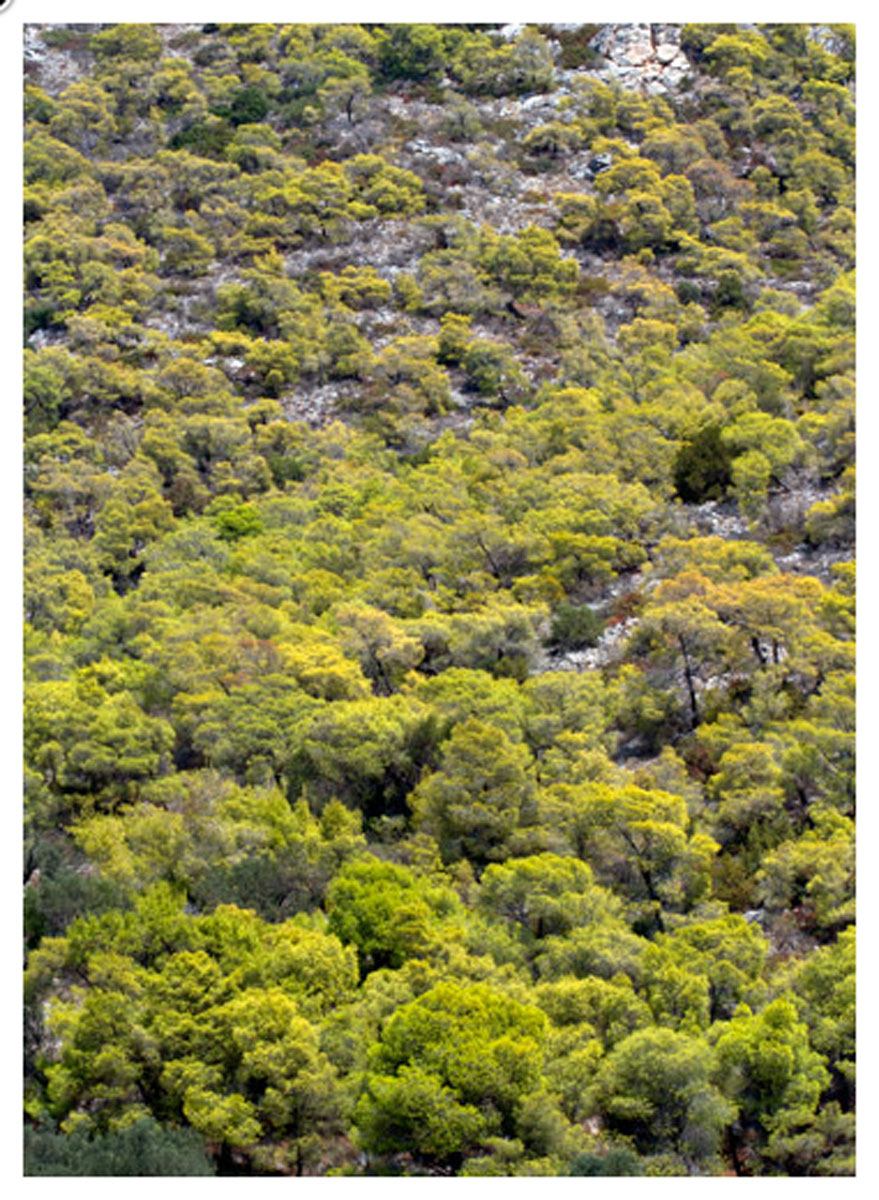
Agkistri is a lush green gem in the Saronic Gulf, where nature thrives in perfect harmony. With rich biodiversity and an idyllic landscape, it is an ideal destination for those seeking relaxation in natural beauty. The island has a Mediterranean climate, with hot summers and mild winters, while the dry season extends from May to October. Summer temperatures range from 25.5 to 26.5 degrees Celsius, and rainfall is limited, occurring mainly during transitional seasons, maintaining the ecosystem's balance.

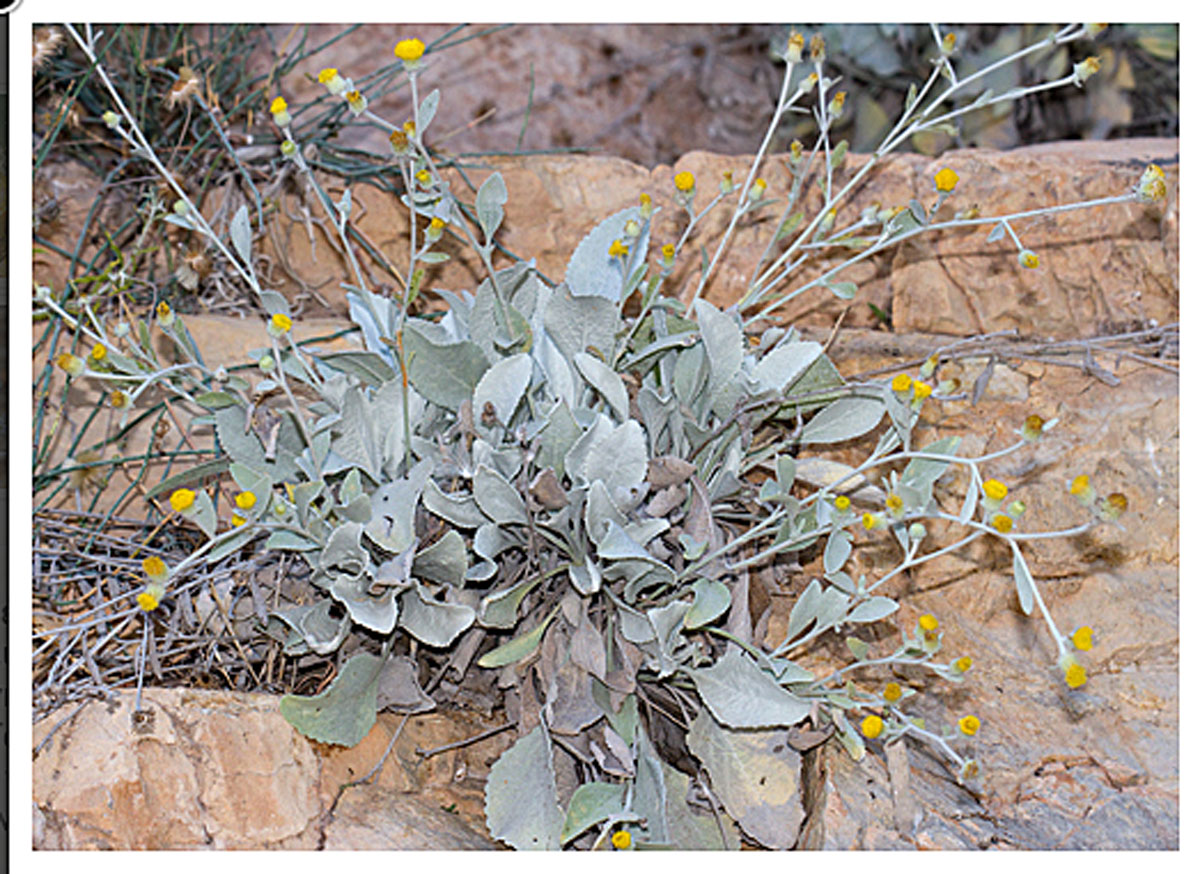
The flora of Agkistri belongs to the Mediterranean zone and is distinguished by its diversity. The Aleppo Pine (Pinus halepensis) dominates the island, creating extensive forests that serve as a refuge for many animal species. Shrublands and rocky areas are home to mastic trees (Pistacia lentiscus), kermes oaks (Quercus coccifera), myrtles (Myrtus communis), and strawberry trees (Arbutus unedo). In drier areas, aromatic plants such as thyme (Thymus capitatus), oregano (Origanum vulgare), and sage (Salvia fruticosa) thrive, while cultivated lands feature olive trees, fig trees, and almond trees.
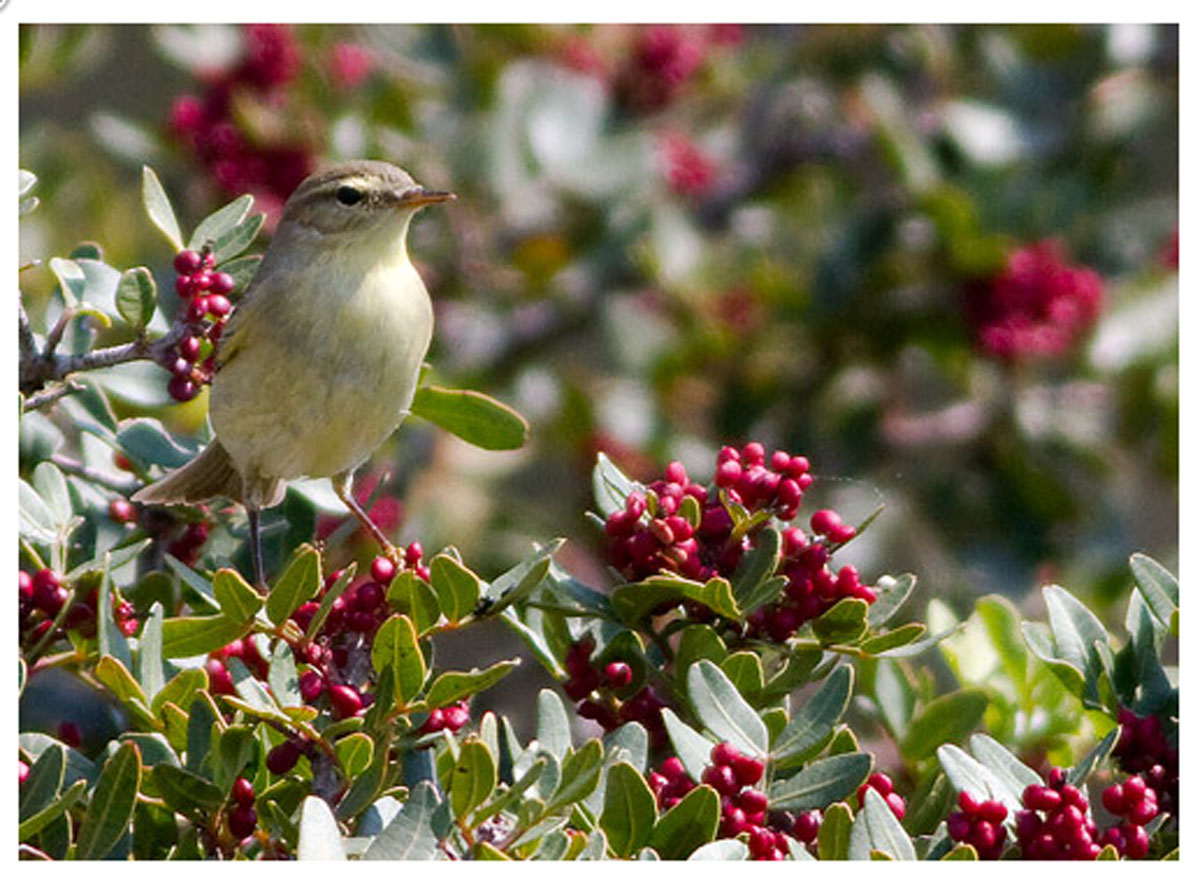
Agkistri’s birdlife is particularly rich, as the island serves as an important stopover for migratory birds and a refuge for resident species. The wooded areas are home to blackbirds (Turdus merula), goldfinches (Carduelis carduelis), skylarks (Alauda arvensis), and wood pigeons (Columba palumbus), while in the scrublands, the cinereous bunting (Emberiza caesia) is found. Coastal areas attract species such as the common quail (Coturnix coturnix) and the calandra lark (Melanocorypha calandra), while the Eurasian scops owl (Otus scops) and the spotted flycatcher (Muscicapa striata) take advantage of the dense shrublands.
The reptile fauna of the island includes lizards and snakes that find refuge in sunlit areas and rocky formations. The green lizard (Lacerta viridis) and the common wall lizard (Podarcis muralis) are frequently encountered, while Agkistri also hosts the Hermann’s tortoise (Testudo hermanni) and the Greek tortoise (Testudo graeca). The nose-horned viper (Vipera ammodytes) is found in drier regions.
The marine environment around Agkistri is vital for its biodiversity. Its clear, nutrient-rich waters support a wide variety of marine life, while rocky shores and small coves provide ideal habitats for fish and sea turtles. The island’s proximity to the protected area "Pausanias Marine Zone – Methana Underwater Volcanoes" (GR2510005 - SCI) highlights the importance of preserving this marine ecosystem.
Although Agkistri is not included in a designated protection network such as Natura 2000, it features a Wildlife Refuge (Government Gazette 729/B/2001), which covers a large part of the island and contributes to the preservation of local flora and fauna. Additionally, Agkistri is home to the Alyki wetland, a small island wetland that serves as an important resting site for migratory birds.
Agkistri is home to many protected species, highlighting the importance of preserving its natural environment. Amphibians include the common toad (Bufo bufo), the green toad (Bufo viridis), and the yellow-bellied toad (Bombina variegata). Among reptiles, species such as the four-lined snake (Elaphe quatuorlineata), the European ratsnake (Elaphe situla), the green lizard (Lacerta viridis), and the common wall lizard (Podarcis muralis) can be found. The birdlife includes the ortolan bunting (Emberiza hortulana), the golden oriole (Oriolus oriolus), the woodchat shrike (Lanius senator), and the Eurasian siskin (Carduelis spinus). Mammals found on the island include the European hedgehog (Erinaceus europeus), the European hare (Lepus europaeus), the beech marten (Martes foina), the European badger (Meles meles), the least weasel (Mustela nivalis), and the red squirrel (Sciurus vulgaris). The conservation of these species is essential for maintaining the island’s biodiversity.
Agkistri is not just an island; it is a natural treasure of the Saronic Gulf. Its rich flora, diverse wildlife, and crystal-clear waters create a unique ecosystem, ideal for nature lovers and hikers. The preservation of the island’s natural wealth requires the cooperation of residents and visitors, ensuring that its beauty remains unspoiled over time.