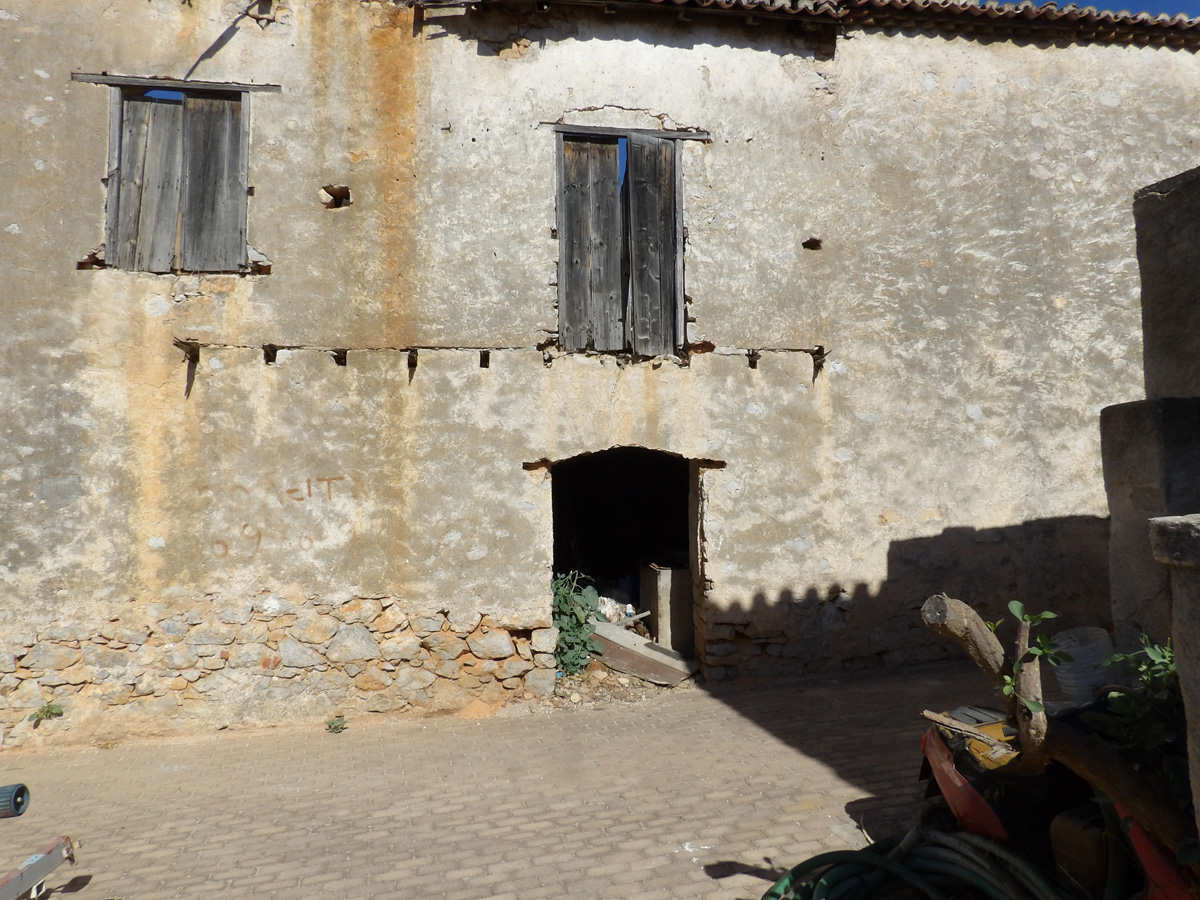
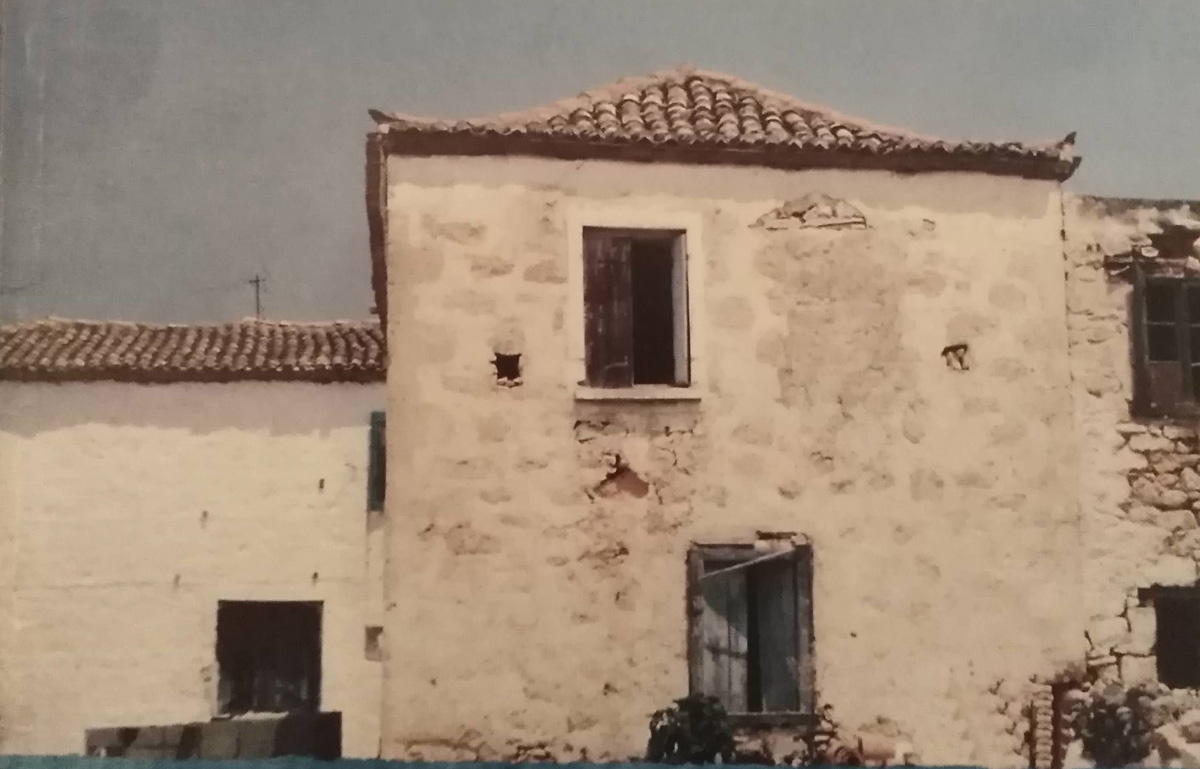
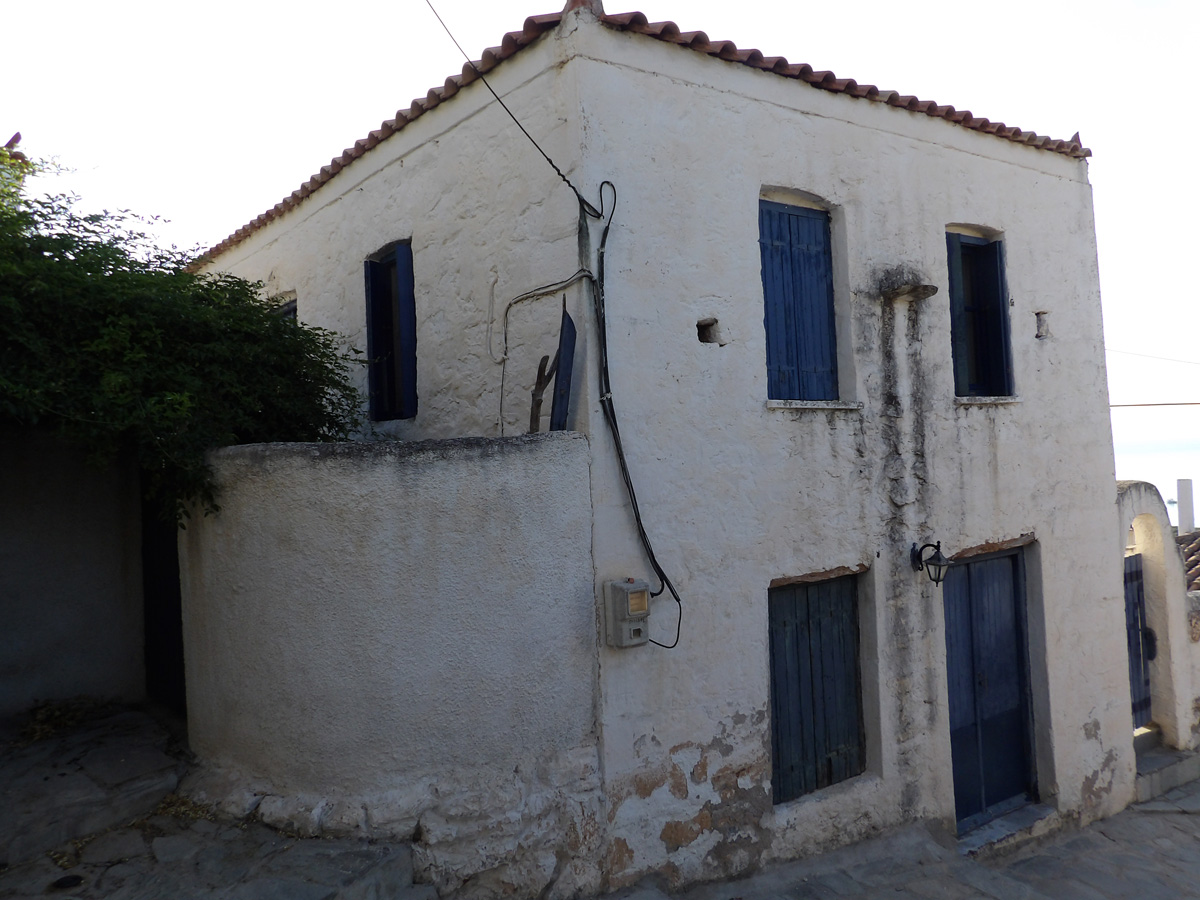
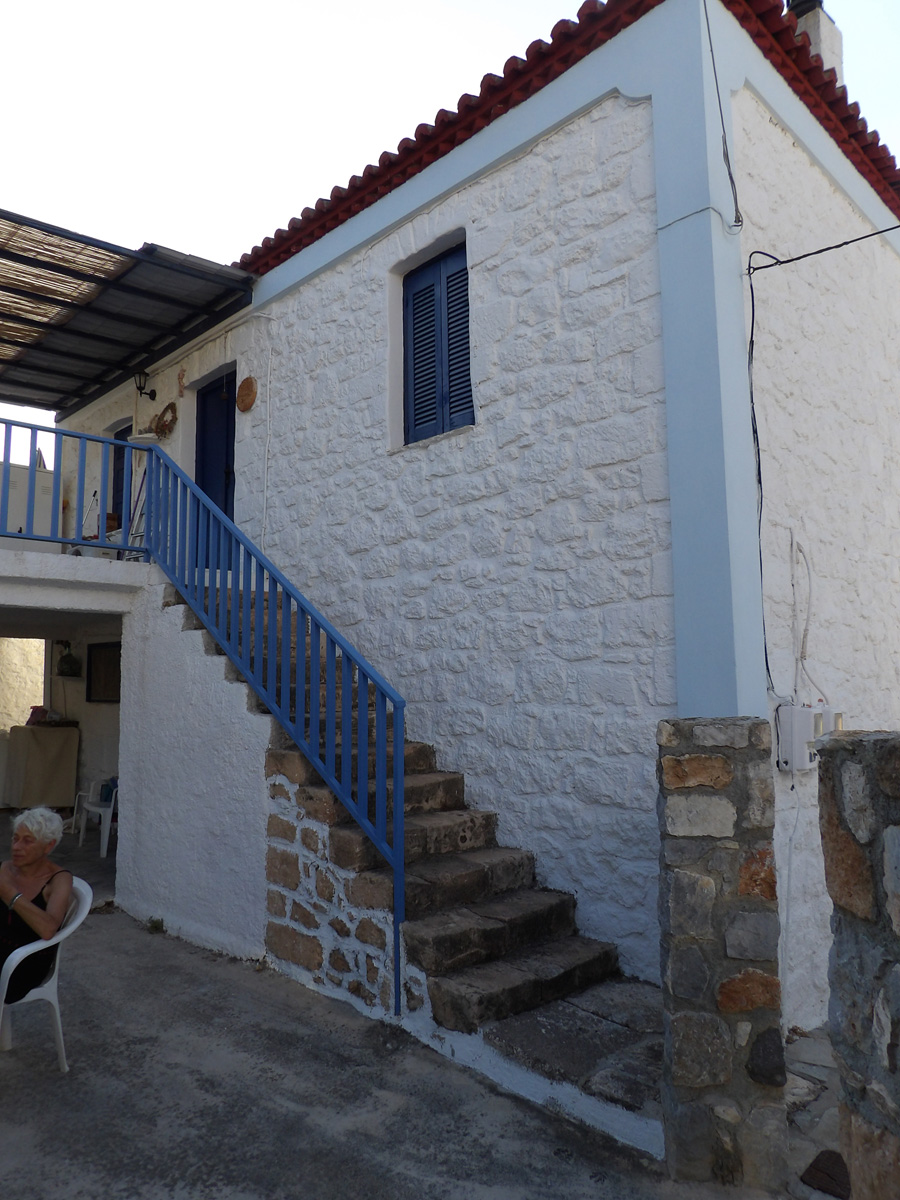
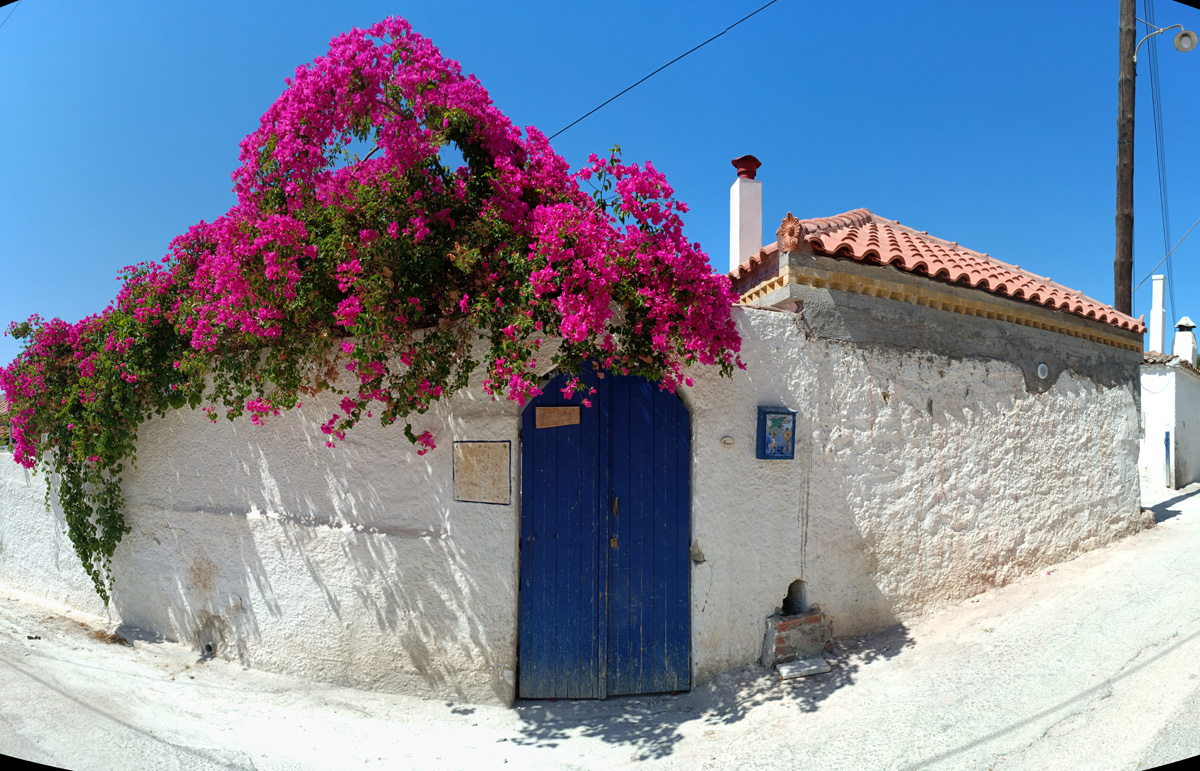
The settlements of Agkistri showcase examples of folk architecture that preserve a nearly extinct type of dwelling. Originally, the architectural style consisted of single-storey houses with a dividing wall. These houses were built using local limestone from the quarries of Mylos and shipyard, and the beams were crafted from cedar wood, which was strengthened by soaking it in the waters of the lakes of Skala and Aponisos. Wood played a crucial role in popular construction. Over time, the houses evolved into two-story buildings with hipped roofs and external staircases made of limestone. Some of them also incorporated neoclassical decorative elements like antefixes and niches.
- Location : Limenaria
- Type : Traditional House
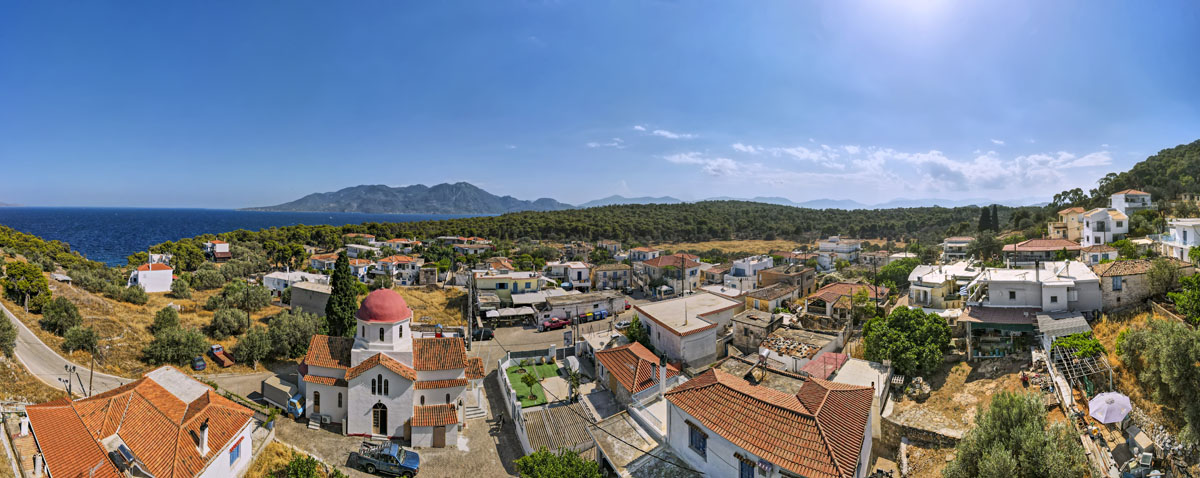
Description : Limenaria is a traditional picturesque village in the southeast of the island. Limenaria is renowned for its folk heritage and its unique cultural characteristics.
- Location : Megalochori
- Type : Traditional House
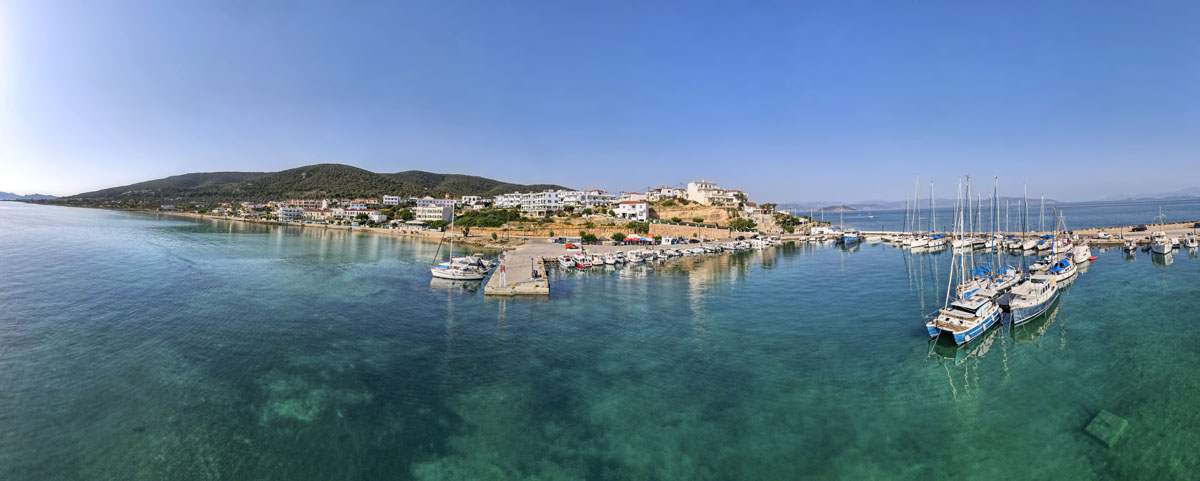
Description : Megalochori is the capital of Agistri, and the recent residential development of the island is clearly visible here. Old traditional buildings meet modern hotel units in this area. Megalochori is also known as Mylos because the only flour mill on the island operated here until the 1960s.
- Location : Metochi
- Type : Traditional House
Description : Metochi is the fourth and smallest village of Agistri. It is located on the top of a hill located between Skala and Megalochori and was first inhabited in the early 19th century by Arvanites.
- Location : Megalochori
- Type : Abandoned settlement
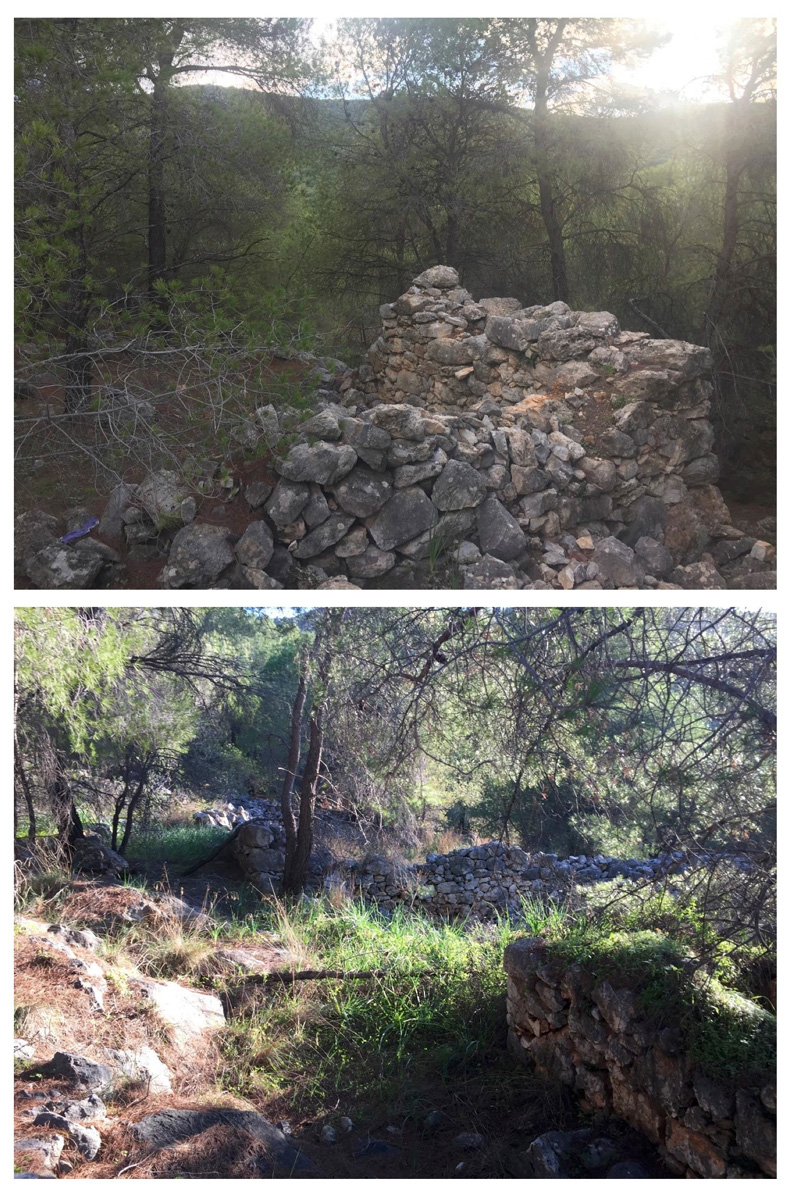
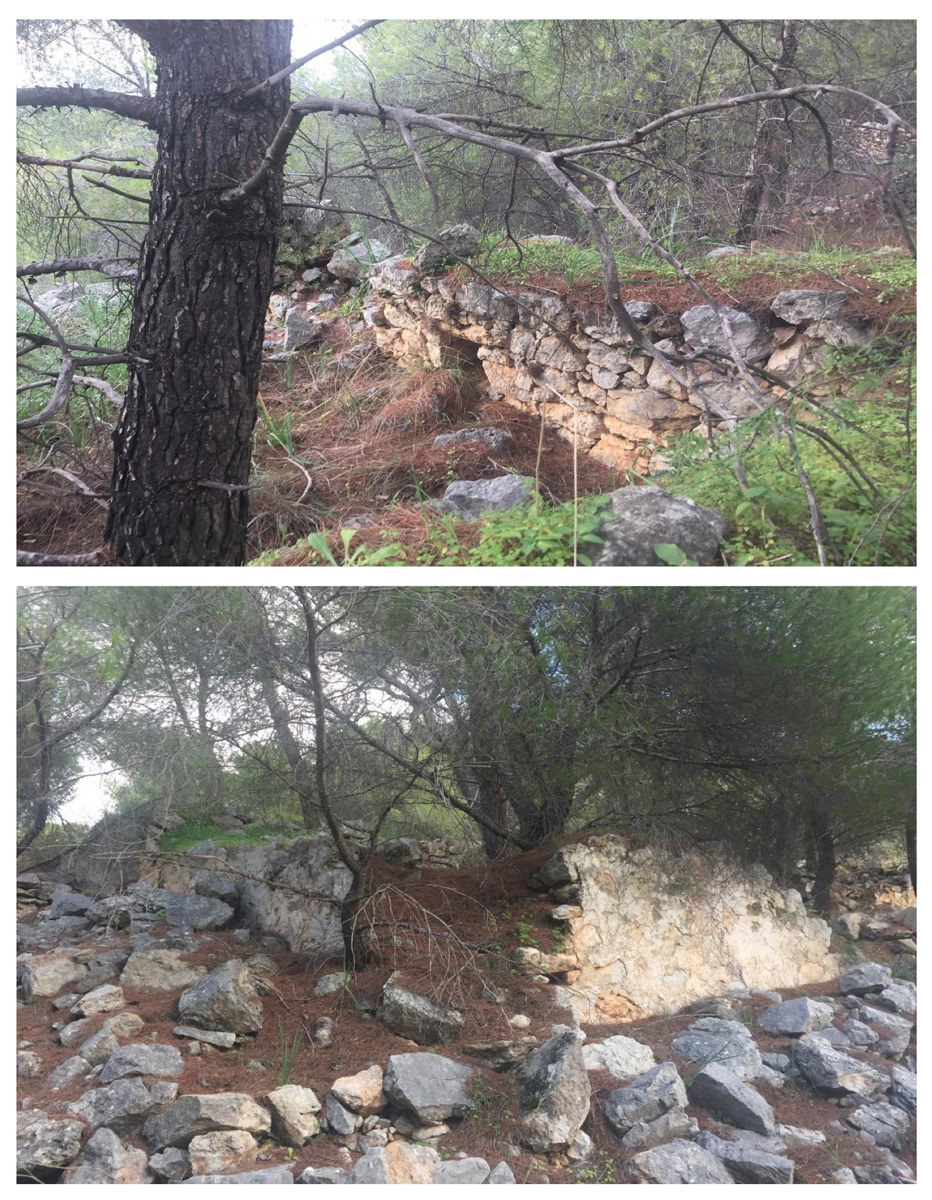
Description : In the 17th century, the island was completely abandoned due to the ravages of pirates. A century later, however, it began to be inhabited again, mainly by Arvanites. The settlement in the area of "Katounti" (meaning village in Arvanite) was built on a hill above the present-day village of Megalochori, in order to offer protection from pirates. At the beginning of the 20th century, the inhabitants came down near the sea and created the harbor. Today, foundations of the houses made of dry stone are preserved.
Bibliography / Comments : Αμπατζή, Θ. (2016). Το Αγκίστρι του Αργοσαρωνικού Δημοτικό τραγούδι & καθημερινότητα. Αθήνα: Εκδόσεις Γρηγόρη.
Δεδε, Α. (2021) Μεταπτυχιακή εργασία: Πολιτισμός, τοπική ανάπτυξη και τοπική αυτοδιοίκηση.
Δια-συγκριτική προσέγγιση του Δήμου Αίγινας και του Δήμου Αγκιστρίου. Πάτρα: ΕΑΠ.
- Location : Limenaria
- Type : Building
- Date : 20th century
Description : The building is a historic structure from the 20th century and is the oldest preserved school on the island. It is one of the few school buildings from the last century that is still standing. During an on-site investigation, the following items were found inside the building: a monotype typesetting machine, a foundry, typesetting cabinets, and typographical items of unknown origin, which are considered to be cultural artefacts.
- Location : Metochi
- Type : Residence
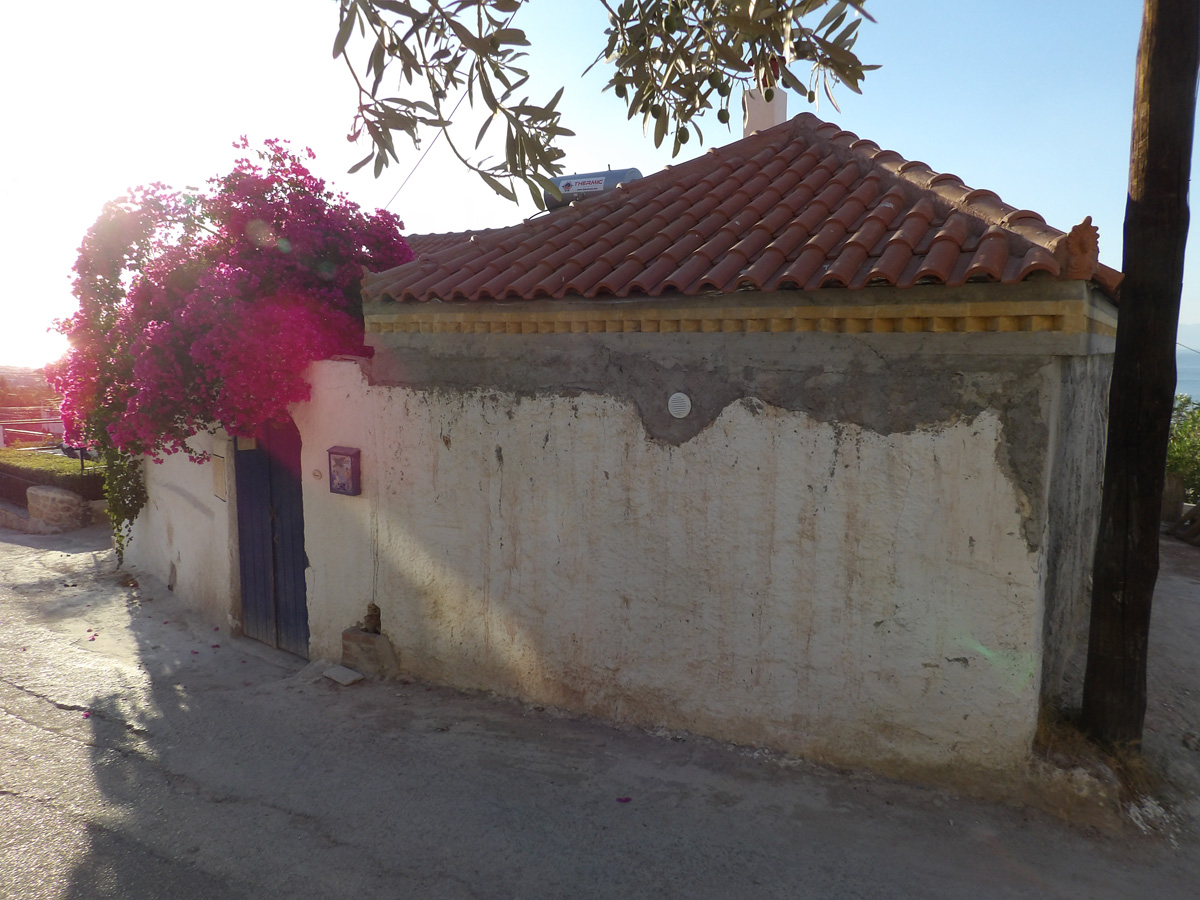
Description : The artist Gerti Brauner (1922-2010) resided in this house from 1985. The house showcases Cycladic architecture with its blue door and shutters, whitewashed walls, and bougainvilleas set against a white backdrop.
Bibliography/Comments :
Cycladic architecture is characterized by simple cube-shaped structures externally plastered with mortar. Strong light creates distinct shadows on the white surfaces, adding depth to the buildings. The geometric simplicity is complemented by small blue shutters and doors, blooming bougainvilleas, and white steps connecting the alleys to narrow streets.
Μπούρας, Χ. (1992). Tο Αιγαίο. Επίκεντρο του ελληνικού πολιτισμού, αρχιτεκτονική και πολεοδομία στους παραδοσιακούς οικισμούς του Αιγαίου. Αθήνα: Μέλισσα.